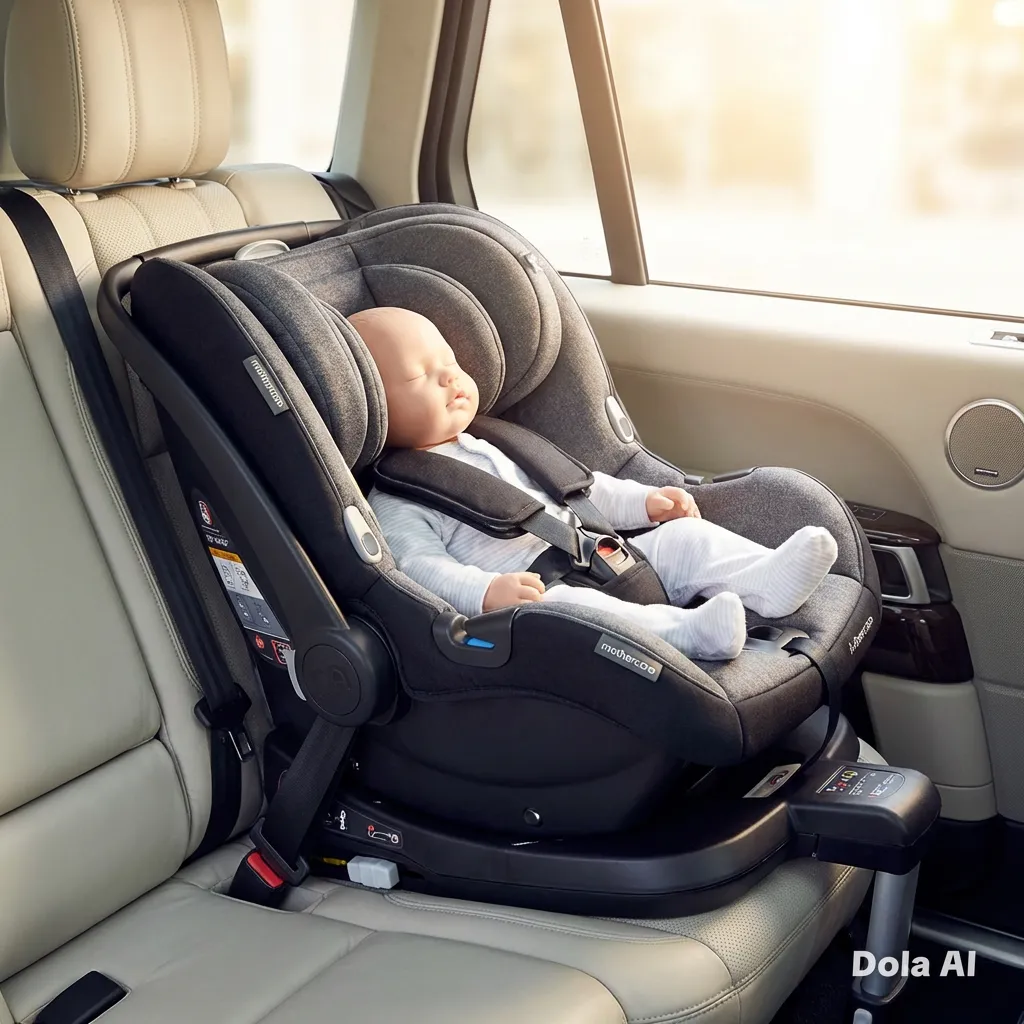

Your child’s safety on the road is our top priority. In this guide, we break down the differences between infant carriers, convertible seats, and boosters. Learn about the latest safety standards, how to check for a proper fit, and common installation mistakes to avoid to keep your little one secure
1. Stage 1: Infant Carriers (Rear-Facing)
Designed for newborns and infants, these seats are portable and usually click into a base in your car or onto your stroller.
- Best for: Newborns up to 13kg (approx. 12-15 months).
- Safety Tip: Always keep the seat rear-facing as long as possible for maximum neck and spine protection.
2. Stage 2: Convertible & Toddler Seats
As your baby grows, you’ll transition to a larger seat that stays in the car. Many modern seats are “All-in-One,” meaning they can be used from birth up to age 4+.
- Best for: 9kg up to 18kg or 25kg.
- Safety Tip: Check that the harness is snug—you should only be able to fit one finger between the strap and your child’s collarbone.
3. Stage 3: High-Back Boosters
Once your child outgrows their harness, a booster seat ensures the car’s adult seatbelt fits correctly across their strongest bones (pelvis and shoulder).
- Best for: Children roughly 4 to 12 years old.
- Safety Tip: Ensure the lap belt sits low across the hips, not the stomach.
4. Common Installation Mistakes to Avoid
- Loose Straps: Ensure the seat doesn’t move more than an inch in any direction.
- Incorrect Incline: Newborn seats must be tilted correctly to keep the baby’s airway open.
- Bulky Clothing: Never buckled a child in with a thick winter coat; it prevents the harness from being tight enough.
Peace of mind starts with the right fit. Your child’s safety is worth the extra time to get it right.
Need help choosing? Visit the [Car Seat & Travel Collection] at Joyful MotherCare. Our team is trained to help you find the perfect seat for your vehicle and your child’s stage.

Leave a Reply